
Safe, steady and at home — with care that helps you stay upright.
- Free, no-obligation in-home safety assessment
- Hands-on mobility support, room by room
- Serving East King County, North Seattle, Shoreline & Everett
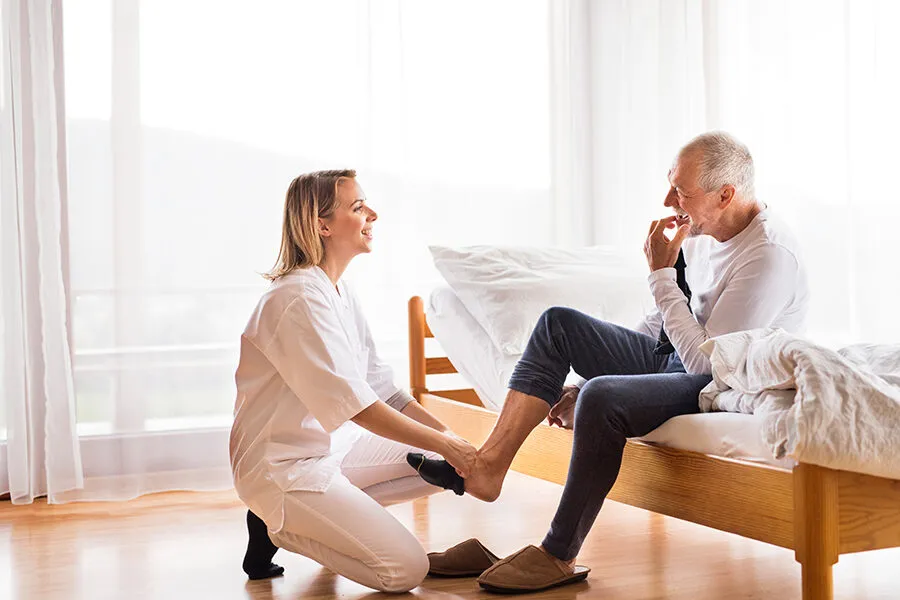
A small steady hand keeps independence within reach
As we get older, the everyday — climbing the stairs, stepping out of the shower, simply standing up — carries a little more risk. More than one in four older adults falls each year, and the fear of it can quietly shrink a full life down to a careful one.
Our “Safety First” fall and injury prevention program helps your loved one stay safe, steady and confident at home — easing that fear, preventing injuries before they happen, and supporting a strong recovery when they’re needed most. It’s how we help people across both of our service areas keep moving forward.
Three ways we keep you steady
From the first home assessment to recovery after a fall, our specially trained caregivers focus on safety without taking away independence.
- Make the home safer — we start with a no-obligation home safety assessment, spotting loose rugs, dim hallways and tripping hazards, then suggesting simple fixes like grab bars, better lighting and clear walkways
- Support every step — a steady arm makes all the difference. Caregivers help with transfers between bed and chair, walking through the house, the bathroom and the yard, and the everyday moments that feel risky
- Recover with confidence — if a fall has already happened, we help your loved one heal at home: light doctor-approved exercise, medication reminders, companionship that eases the fear of falling again, and a fresh look at the home
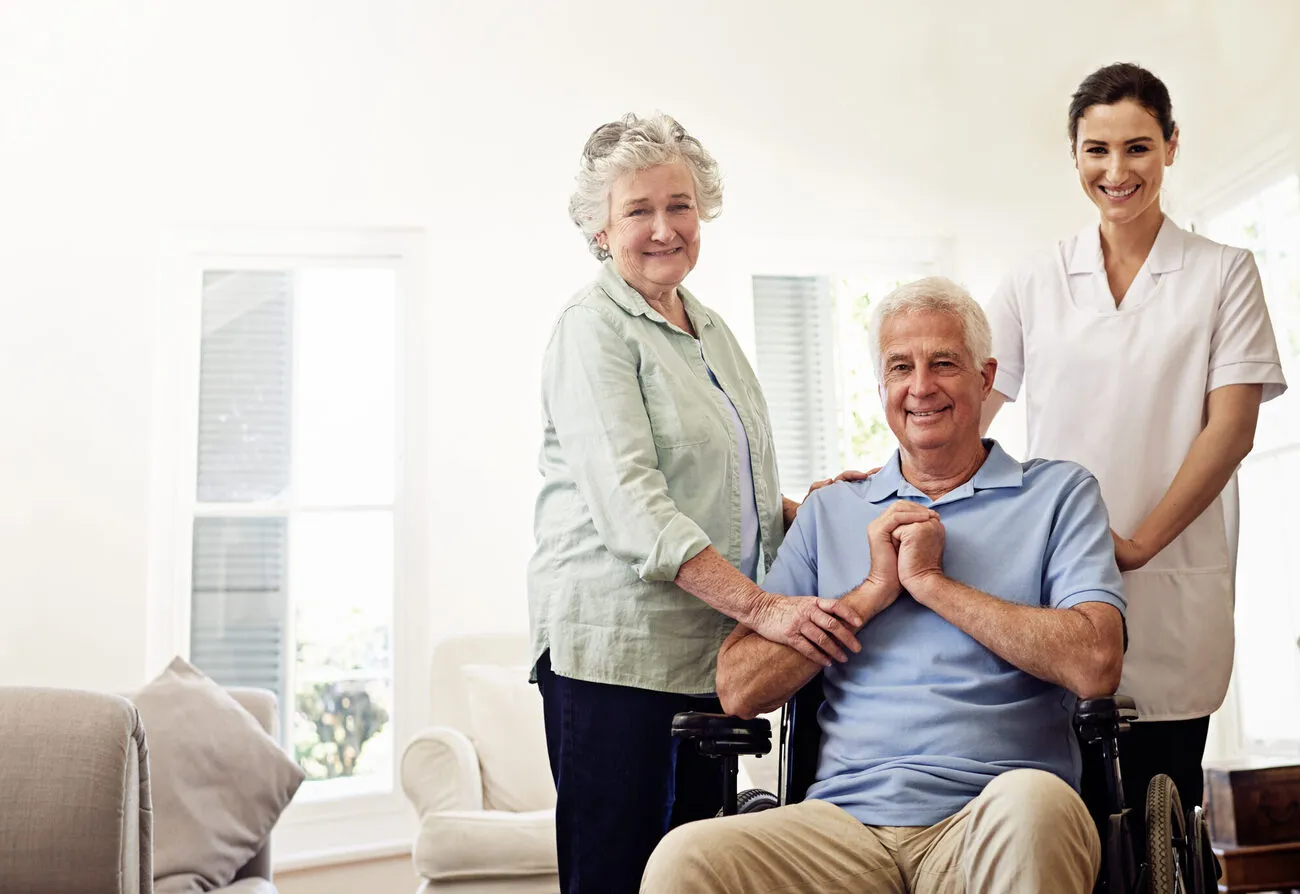

What a safer home gives back
Fewer falls means more of the things that make a day worth living — visits with friends, a walk around the block, the freedom to move without second-guessing every step.
- Fewer fall-related injuries and the long recoveries that follow
- Lower risk of a return trip to the hospital after surgery or injury
- Independence kept in the comfort of home
- Stronger balance, mobility and coordination over time
- The confidence to stay active instead of fearful
Practical ways to prevent falls
Most falls come from a mix of small, fixable risks. Work through this checklist together — and let us help with the parts that need an extra hand.
- Clear the floor — remove clutter, cords and anything you can trip over on floors and steps. Secure throw rugs with non-slip backing, and keep everyday items within easy reach — no step stool required
- Light the way — use bright bulbs, reduce glare with curtains, and make sure stairways and hallways are well lit. A lamp within reach of the bed helps for nighttime trips
- Add grab bars & rails — install grab bars by the toilet and tub, handrails on stairways, and non-slip mats or strips in the shower and bath — small additions that turn risky spots into steady ones
- Choose sensible shoes — trade floppy slippers, slick soles and high heels for sturdy, well-fitting shoes with non-skid soles, indoors and out. Avoid walking in stocking feet
- Build strength & balance — gentle, doctor-recommended exercises make legs stronger and steadier. Everyday movement keeps muscles, flexibility and endurance from slipping away
- Check eyes & medications — have eyes examined yearly and keep glasses current. Ask the doctor to review prescriptions and over-the-counter medicines for any that cause dizziness or drowsiness
- Use mobility aids well — a cane, walker or scooter, fitted properly and used consistently, adds real stability. We help your loved one keep it close and use it with confidence
- Talk it through together — have a calm, respectful conversation about falls and make a plan for what to do if one happens. Many seniors take the first step once they feel heard, not pushed

Questions families ask about falls
Still wondering about something? Call us any time — a real person will help you think it through.
Why does fall prevention matter so much for seniors at home?
More than one in four older adults falls each year, and a single fall doubles the chance of another. As balance, vision and strength change with age, an everyday moment — stepping out of the shower, getting up from a chair — can lead to a serious injury. Preventing falls protects independence and gives the whole family real peace of mind.
What does your "Safety First" fall-prevention approach include?
We begin with a free, no-obligation home safety assessment to find tripping hazards and recommend simple changes — grab bars, brighter lighting, secured rugs. From there, caregivers weave fall prevention into daily life: keeping walkways clear, encouraging balance and strength exercises, and steadying your loved one during risky activities like stairs or bathing.
How does a caregiver help my loved one avoid falls day to day?
A caregiver is an extra set of hands and eyes. They assist with transfers, walk alongside when footing feels unsure, carry items so hands stay free for a rail or cane, and remind your loved one to use mobility aids and sensible footwear. Because someone is there to notice fatigue or dizziness early, many slips are avoided before they happen.
Do you help after a fall or injury has already happened?
Yes. Our care extends to recovery — help with personal tasks and chores while an injury heals, companionship to ease the fear of falling again, light exercise as a doctor prescribes, and a fresh home safety review. The goal is to rebuild confidence and put extra precautions in place so your loved one can regain independence at home.
Want more ways to help a parent stay steady day to day? Read our guide, 7 ways to help an aging parent stay steady.
Falls statistics from the U.S. Centers for Disease Control and Prevention — CDC Facts About Falls.