
In-home disability care that moves life forward
Warm, person-centered support for people living with disabilities of every age — promoting independence, safety and dignity in the comfort of home and community. Serving East King County (Issaquah) and North Seattle, Shoreline & Everett (Lynnwood).
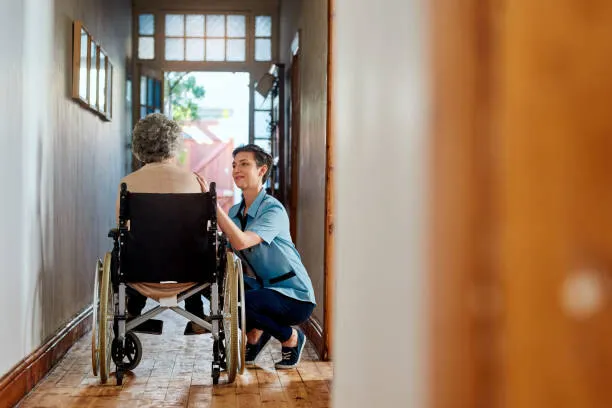
Support that starts with ability
Our in-home disability care helps people living with a physical, intellectual, developmental or sensory disability live a happier, healthier and safer life — on their own terms, right where they call home. We take your unique needs, strengths and preferences to heart, then shape a plan that fits the life you want to live.
These are just a few examples of the conditions we support — there are many more we’re glad to help with. Tell us about your needs and we’ll talk it through.
Three kinds of disability we support
We help people living with many kinds of disability, at every age. A few of the most common kinds we support:
- Physical disabilities — steady, hands-on help for those living with spinal-cord injury, traumatic brain injury, multiple sclerosis, the effects of a stroke or limb loss — safe transfers, mobility and the daily routines that keep life moving
- Intellectual & developmental disabilities — patient, encouraging support for adults and young people with autism, Down syndrome, cerebral palsy, muscular dystrophy or spina bifida — built around each person’s strengths, routines and goals
- Sensory disabilities — thoughtful, respectful care for people who are deaf, hard of hearing, blind or low-vision — communication and assistance shaped to how each person experiences the world


Help with the everyday, so you can focus on living
From personal care to a day out in the community, our caregivers handle what gets in the way — gently, respectfully and only where it’s wanted.
- Personal care — dignified help with bathing, grooming, dressing and toileting, plus safe transfers and mobility support — assistance offered gently and only where it’s wanted
- Daily-living support — meal preparation with any dietary needs in mind, medication reminders, light housekeeping, laundry and the errands that keep a home running smoothly
- Companionship — a familiar, friendly presence that eases isolation — conversation, shared hobbies and encouragement through the exercises a doctor or therapist has recommended
- Community participation — a reliable hand getting out into the world — appointments, classes, visits with friends and the local outings that make a day feel full
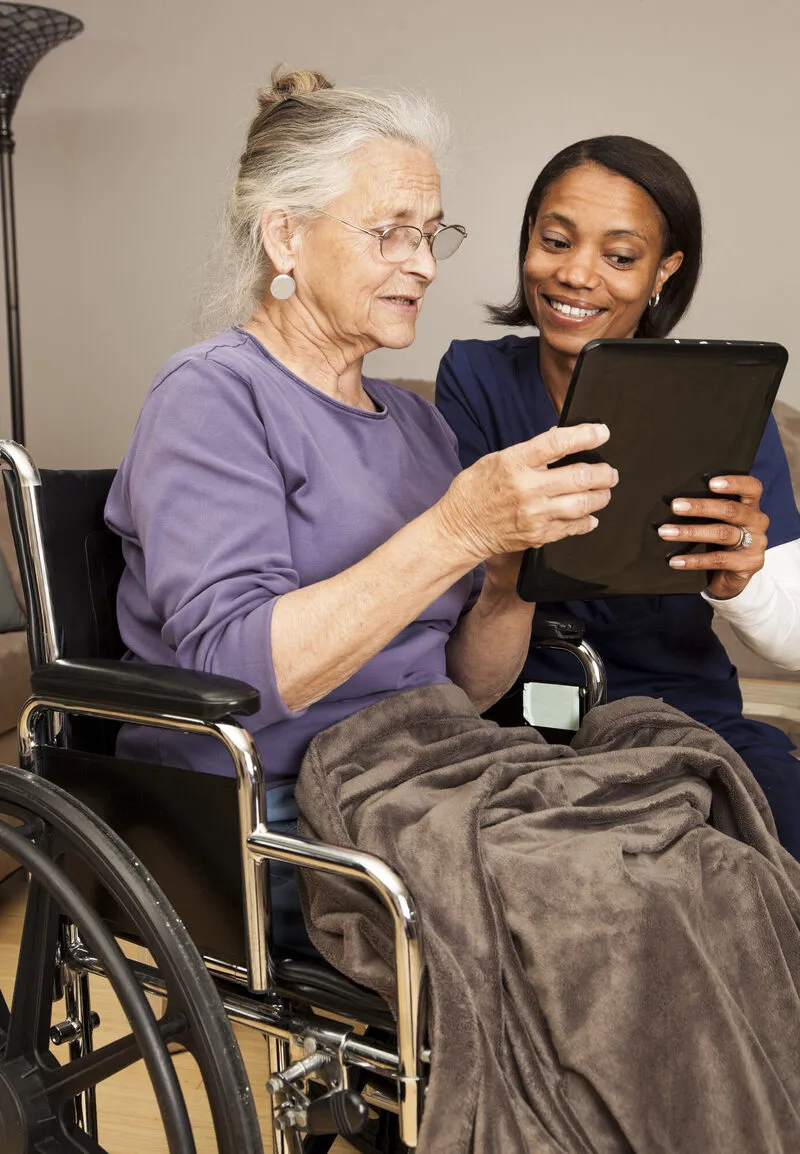
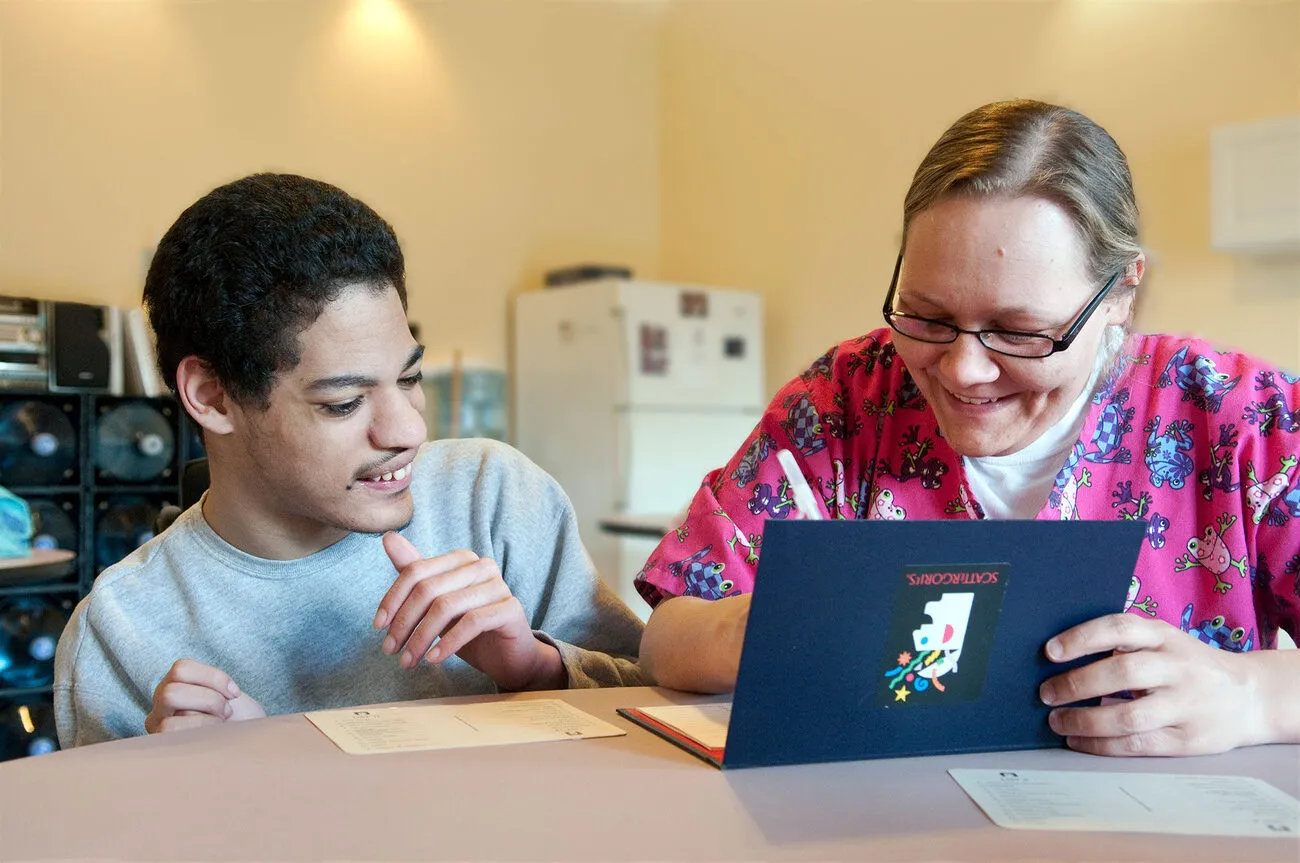
Time to rest, knowing they’re in good hands
In-home care also means respite for the family members who give so much. With a trusted SYNERGY HomeCare caregiver by your side, loved ones can recharge and look after their own well-being — comforted by the peace of mind that the very best care is there, even when they can’t be. Our disability care pairs naturally with our specialized home care and care & companionship, so support can flex as needs change.
Questions about disability care
Still wondering about something? Call us any time — a real person will help you think it through.
What does in-home disability care actually include?
It's built around the person, not a checklist. Depending on what would help most, a caregiver can assist with mobility and safe transfers, personal care like bathing and grooming, medication reminders, meal preparation, errands and getting to appointments — and they're there for companionship and to encourage the activities a doctor or therapist recommends. The aim is simple: to make daily life safer, easier and as independent as possible at home.
My disability isn't one you list. Can you still help?
Almost certainly, yes. The conditions we name are just examples — we support people living with many kinds of disability, at every age. Every situation is different, so the best next step is a quick conversation: tell us what daily life looks like and what you're hoping for, and we'll be honest about how we can help. We start with ability, then shape the care around you.
Are your caregivers trained to support people with disabilities?
They are. Before a caregiver is matched with you, they're oriented in the safe use of equipment like Hoyer lifts and gait belts, in communication that works for people who are non-verbal or communicate differently, and in assisting in a way that respects autonomy. Just as important, we take real care matching the right person to your household — so the fit feels personal, not just capable.
How does in-home care help with independence and quality of life?
Having steady support at home turns "I can't" into "I can, with a little help." Familiar faces and a routine that's tailored to you make everyday tasks calmer and more confident, while companionship eases the isolation that can creep in. It also gives family caregivers room to rest and recharge — which is good for everyone.
Which areas do you serve?
Two local offices cover both of our service areas: East King County from Issaquah — including Sammamish, Renton and Snoqualmie — and North Seattle, Shoreline, Edmonds, Lynnwood, Mukilteo and Everett. If you're nearby and unsure, just call and we'll point you the right way.