
Compassionate care for the cancer journey
A cancer diagnosis changes the rhythm of daily life — but no one should navigate it alone. Our caregivers bring comfort, steady help and a calm presence into the home, so your loved one can focus on what matters most: healing. Whether you need a little help or a lot, we’re here to care.
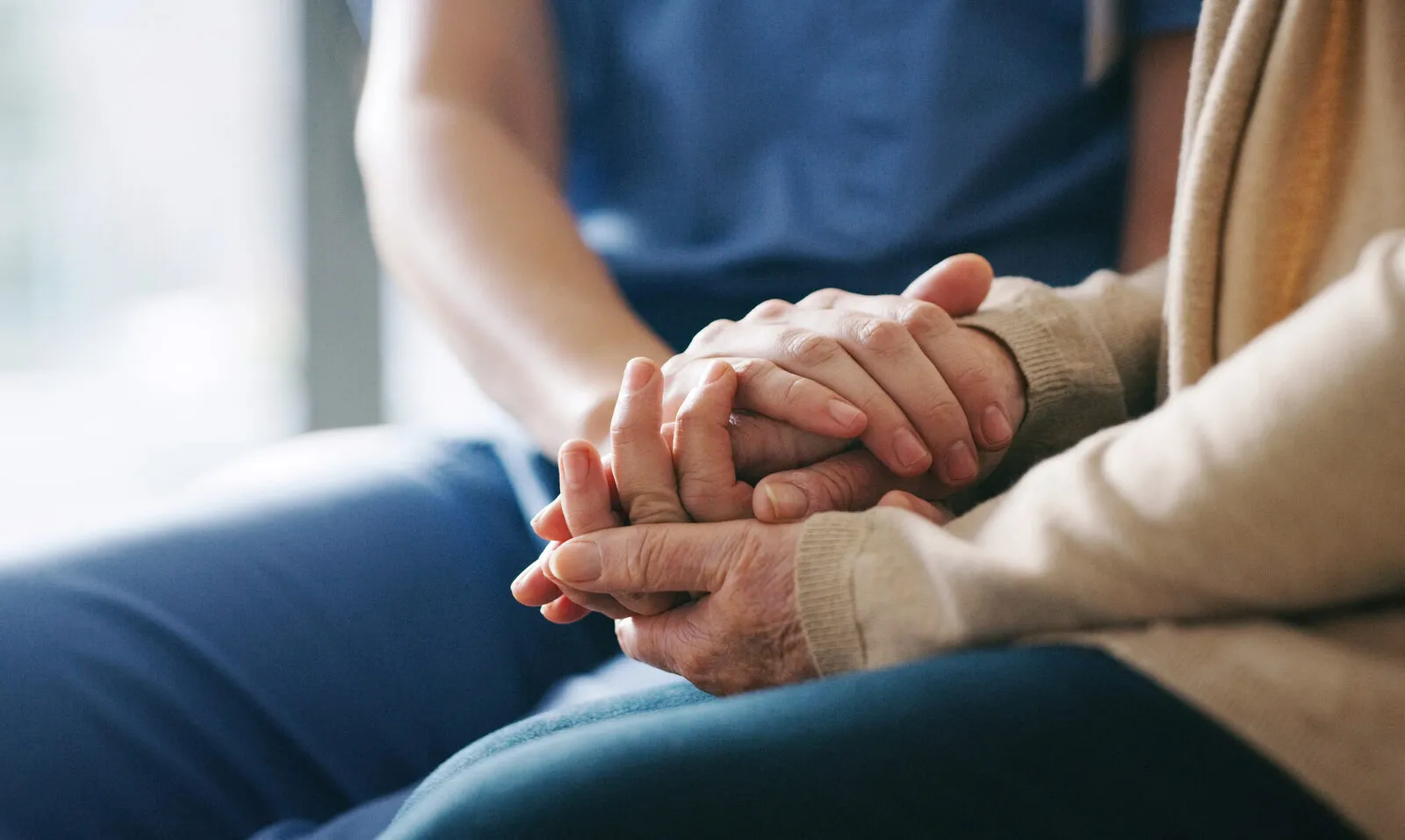
Care built around you
We listen first, then shape a plan around your loved one’s needs, abilities and preferences — and adjust it as treatment changes the days. From a few hours a week up to 24-hour support, we build a cancer-care plan that fits your family, easing the load of daily life and treatment.
A cancer diagnosis doesn’t follow a fixed schedule, and neither do we. Our caregivers are background-checked, bonded and insured, and trained for the realities of cancer care — the fatigue, nausea and mobility changes that treatment can bring. We match each family with a caregiver whose skills and warmth fit, and adjust the plan as needs change from one week to the next.
Person-centered support for every day
The four most common ways our caregivers step in during cancer treatment — each shaped around the person, the day they’re having and the family beside them.
- Comfort on the hard days — a calm, familiar presence through fatigue, nausea and the ups and downs of treatment — companionship and gentle encouragement when the days feel long
- Help with everyday life — bathing, dressing and grooming when energy is low, plus meals, light housekeeping and errands — so the house keeps running while your loved one rests and heals
- Rides to treatment — friendly, reliable transportation to chemotherapy, radiation and follow-up appointments, with a steady companion who waits, listens and gets your loved one safely home
- Respite for family — a few hours, an overnight or a regular weekly break so the family caregivers in your life can rest, recharge and stay well — because caring for yourself sustains your care for them

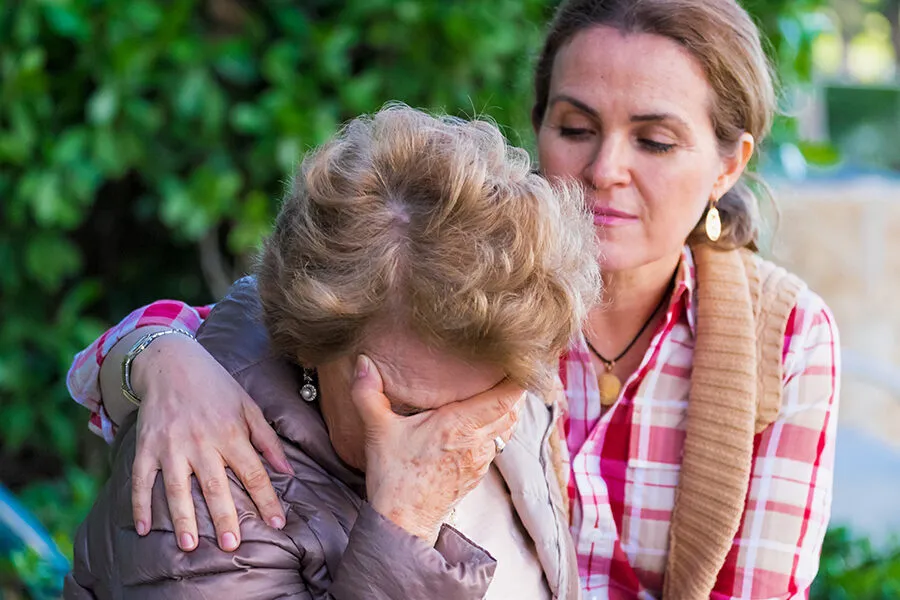
Everyday help, so they can focus on healing
From a few hours a week up to 24-hour support, our cancer-care plan eases the load of daily life and brings peace of mind to everyone who loves them.
- Personal care when treatment leaves energy low
- Nutritious meals that fit dietary needs
- Mobility support and a safer home
- Transportation to appointments and pharmacy runs
- Wellness check-ins and changes flagged to family
- A caring companion through the whole journey
We care for the caregiver, too
Walking beside someone through cancer is a lot to carry. A professional SYNERGY caregiver by your side gives the family room to rest and recharge — so the people who give so much can keep their own health and well-being. Looking for support that goes deeper? Explore our specialized home care and memory care programs.
Cancer care, answered
Still wondering about something? Call us any time — a real person will help you think it through.
What does in-home cancer care include?
Care is shaped around the person and the day they're having. That can mean personal care like bathing, grooming and dressing when fatigue sets in, meals that meet dietary needs, help moving safely around the house, and rides to treatments and appointments. Just as importantly, it means comfort and companionship on the difficult days, a watchful eye for changes in how your loved one is doing, and respite breaks for family. We take on the everyday tasks so the family can focus on healing.
Are caregivers trained to support someone going through cancer?
Yes. Our caregivers are background-checked, bonded and insured, and trained for the realities of cancer care — the fatigue, nausea and mobility changes that treatment can bring — so they can help safely and gently. We work to match each family with a caregiver whose skills and warmth fit, and we adjust the plan as needs change from one week to the next.
How does respite care help our family?
Caring for someone with cancer can wear a family thin. We can step in for a few hours, an overnight, or on a regular schedule so the family caregivers in your life can rest and look after their own health. Many families use respite during appointments, for uninterrupted sleep, or simply for a standing break each week — sharing the load eases burnout and keeps everyone stronger for the journey.
Where do you provide in-home cancer care?
Both of our local offices offer cancer-care support: across East King County — Issaquah, Sammamish, Renton, Snoqualmie, Maple Valley and North Bend — and across North Seattle, Shoreline, Edmonds, Lynnwood, Mukilteo and Everett. Care is available 24/7, from a few hours a week up to round-the-clock support.